A car accident can become more complicated when the driver who caused the collision was working for a company. A delivery driver, service technician, sales representative, contractor, or other employee may be using a vehicle for work when the crash occurs. In those situations, the injured person may need to determine whether the driver’s employer could also be legally responsible.
A company vehicle accident can involve several layers of information. The driver’s identity, the company that employs or contracts with the driver, the purpose of the trip, the vehicle’s ownership, and the applicable insurance coverage may all become important.
For someone injured in San Bernardino, understanding these issues can help identify the parties and insurance policies that may need to be investigated. However, an employer is not automatically responsible simply because an employee was driving a company vehicle. The circumstances surrounding the driver’s work and the relationship between the driver and company matter.
What Is a Company Driver Accident?
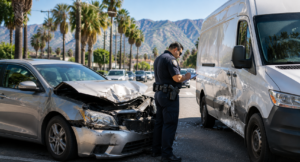 A company driver accident occurs when a person driving for work is involved in a collision. The driver may be operating a vehicle owned by the company, a leased vehicle, or sometimes the driver’s personal vehicle.
Examples can include a delivery driver traveling between customers, a service technician responding to a job, an employee traveling between business locations, or a commercial driver transporting goods.
The fact that a driver is working does not automatically establish liability. The important question is whether the driver was acting within the scope of employment or agency when the collision occurred and whether the driver’s conduct caused the accident.
Can an Employer Be Responsible for an Employee’s Crash?
Potentially. California recognizes a legal principle commonly known as vicarious responsibility or respondeat superior. Under this doctrine, an employer or principal may be responsible for harm caused by an employee or agent while acting within the scope of employment.
The Judicial Council of California’s current Civil Jury Instructions include instructions addressing vicarious responsibility, employee status, agency relationships, and scope of employment. You can review the official California Civil Jury Instructions for additional information.
This does not mean every accident involving an employee automatically creates employer liability. The facts surrounding the driver’s work activities and the employment or agency relationship must be examined.
Was the Driver Performing Work at the Time?
One important question is what the driver was doing immediately before the collision. A driver delivering merchandise to a customer may be performing an ordinary work task. A technician traveling to a scheduled service call may also be acting within the scope of employment.
The analysis can become more complicated if the driver was using the vehicle for a personal activity unrelated to work.
Was the Driver Actually an Employee?
The relationship between the driver and the company can also matter. Some workers are employees, while others may be independent contractors or operate through separate businesses.
Calling someone an independent contractor does not necessarily answer every legal question. The actual relationship and applicable law may need to be examined. California’s official jury instructions include guidance concerning disputed employee and agency relationships.
What If the Driver Was Making a Delivery?
Delivery-related crashes can create additional questions because the driver’s destination and work assignment may help establish what the driver was doing at the time of the collision.
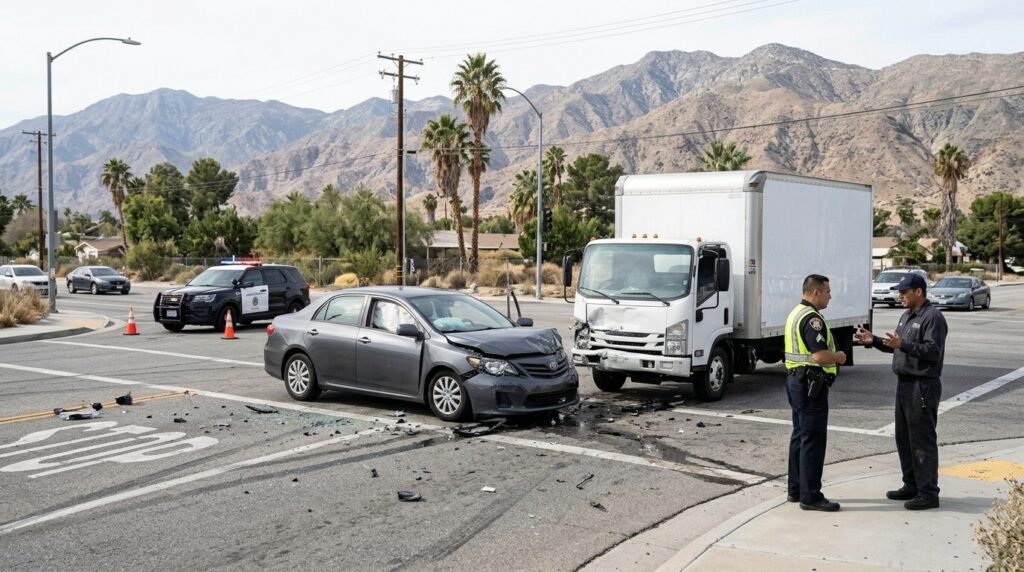
If a delivery driver hits your vehicle while traveling to a customer, the company relationship may become relevant. Information about the delivery assignment, route, employer, vehicle, and driver’s status may help identify potentially responsible parties.
Do not assume that the delivery company is automatically responsible. Instead, preserve evidence showing who the driver worked for, what vehicle was involved, and what the driver was doing immediately before the collision.
What If the Driver Was Using a Company Vehicle?
A company-owned vehicle can provide an important starting point for identifying the business connected to the accident. Look for company markings, vehicle numbers, license plate information, registration details, and other identifying information.
Take photographs of the vehicle when it is safe to do so. If the vehicle has a company name or identifying information, document it rather than relying on memory.
The vehicle owner, driver, employer, insurer, and other parties may have different legal relationships to the accident. Those relationships should be evaluated based on the circumstances.
What Evidence Can Show the Driver Was Working?
Evidence can be especially important when the company initially claims that the driver was not acting on its behalf. Useful information may include the driver’s company identification, uniforms, vehicle markings, delivery documents, work schedules, route information, electronic delivery records, customer appointments, and communications between the driver and company.
Witnesses may also be able to explain what the driver was doing immediately before the collision.
Photographs of the company vehicle can help identify the business. Police reports may also contain information about the driver’s employer or occupation.
Our article on how to prove fault in a San Bernardino auto accident case provides additional information about preserving evidence and establishing responsibility.
What If the Driver Was Using a Personal Vehicle for Work?
Not every company driver operates a vehicle owned by the employer. Some employees use their own cars for work-related travel.
This can make the insurance investigation more complicated. The driver’s personal auto insurance may be relevant, while the employer’s insurance arrangements may also need to be examined depending on the driver’s work status and the circumstances of the trip.
The fact that an employee was using a personal vehicle does not by itself determine whether an employer can be responsible. The driver’s employment relationship and the purpose of the trip remain important.
What If the Driver Was an Independent Contractor?
Independent-contractor situations can require additional investigation. A company may argue that the person who caused the accident was not its employee and therefore that the company should not be responsible for the driver’s conduct.
The label alone may not resolve the issue. California’s official jury instructions recognize that employee and agency status can be disputed and provide separate instructions for situations in which the relationship is not clear.
Because these relationships can be fact-specific, preserve documents identifying the company, driver, vehicle, and work assignment.
What Insurance May Cover a Company Vehicle Accident?
The applicable insurance depends on the vehicle, driver, employer, and circumstances of the collision. A company vehicle may be covered by a commercial automobile policy. A personal vehicle used for work may involve different insurance considerations.
California requires financial responsibility for vehicles operated on California roads. The California DMV explains that liability insurance is one accepted form of financial responsibility and provides current information about minimum liability requirements on its official insurance requirements page.
Do not assume that the policy you first receive is the only potentially relevant policy. If a company, employee, vehicle owner, or another driver may have contributed to the accident, the available coverage should be identified carefully.
 What If the Company Denies Responsibility?
A company may dispute responsibility for an accident. It might argue that the driver was off duty, acting outside the scope of employment, or operating independently.
When this happens, documentation can become particularly important. Ask what information identifies the driver and company. Preserve photographs of the vehicle, the driver’s identification if available, police information, witness contacts, and any communications received from the company or its insurer.
Do not attempt to pressure the driver or company into admitting responsibility. Focus on preserving objective evidence.
What If the Company Driver Was at Fault?
Fault still has to be established. The fact that someone was working does not eliminate the need to show that the driver’s conduct caused the collision.
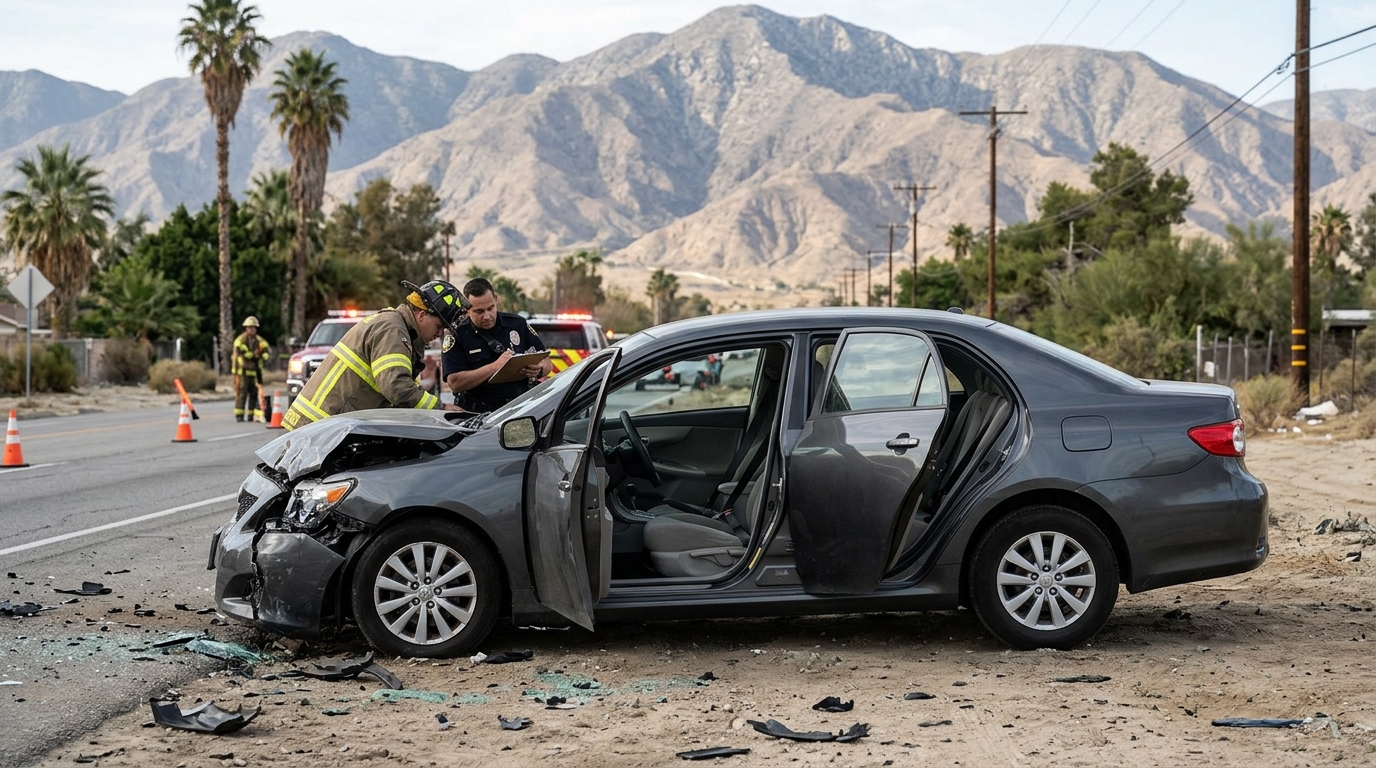
Evidence may include photographs, witness statements, police reports, dashcam footage, traffic-camera footage, vehicle damage, and other information showing what happened.
Our existing guide to auto accident claims in San Bernardino explains how evidence, insurance coverage, medical expenses, and fault can affect an accident claim.
What Should You Do Immediately After the Crash?
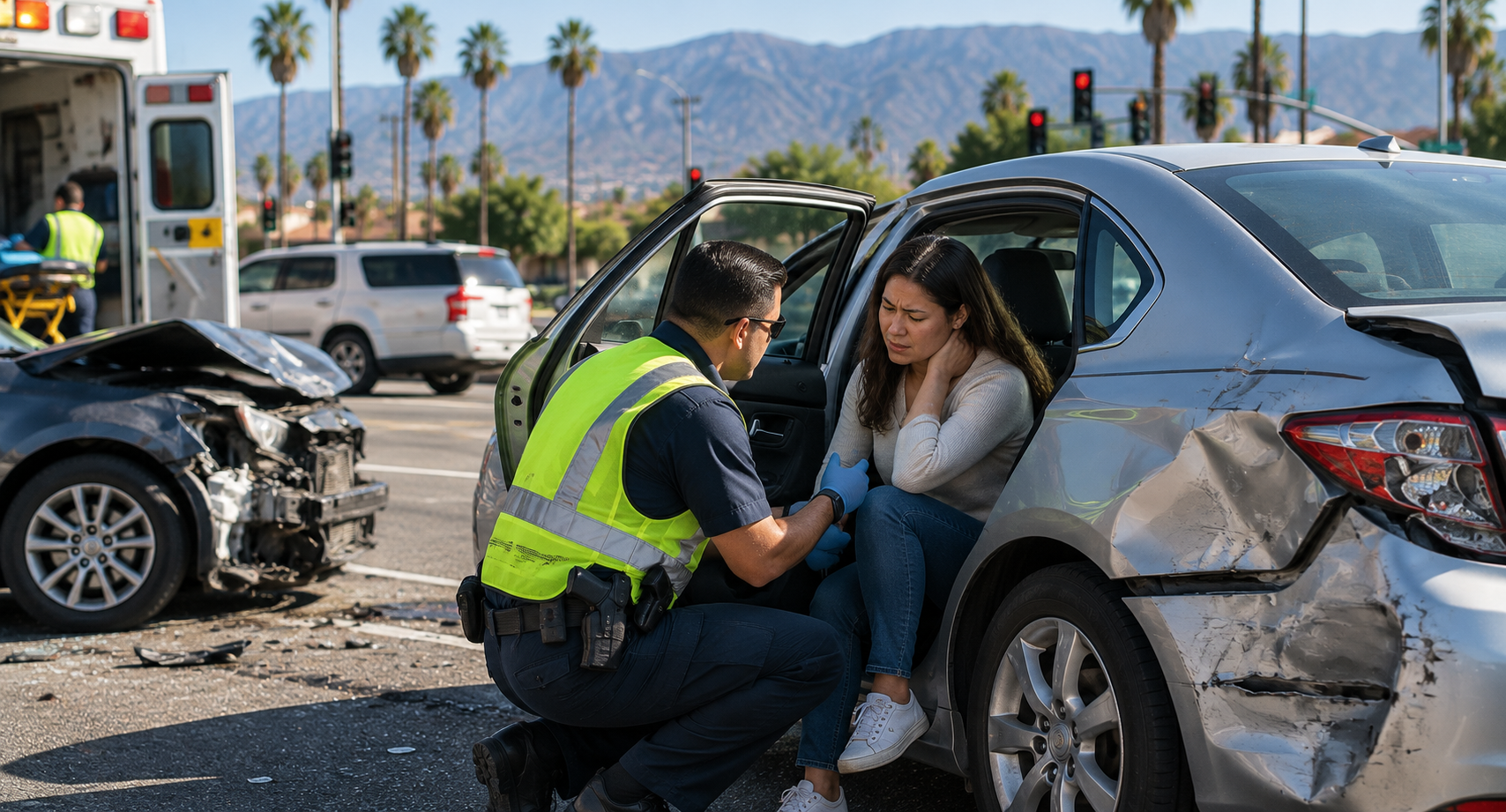
First, focus on safety. If someone is injured, call 911 and request medical assistance. If it is safe, photograph the accident scene and damaged vehicles.
Exchange information with the driver when appropriate. If the driver is working for a company, record the company name, vehicle information, license plate, and any identifying information visible on the vehicle.
Ask witnesses for contact information. Witnesses may later help establish how the crash occurred and what the company driver was doing immediately before the collision.
For a detailed checklist, see our step-by-step guide after an auto accident in San Bernardino.
Should You Photograph the Company Vehicle?
Yes, when it is safe. Photograph the entire vehicle and close-ups of company markings, vehicle numbers, license plates, damage, and other identifying information.
Do not put yourself in danger to obtain a photograph. If the vehicle has already left the scene, provide law enforcement with everything you remember about its appearance and direction of travel.
What If the Company Driver Was Uninsured?
If the driver or company vehicle does not have adequate insurance, additional coverage issues may arise. Your own uninsured or underinsured motorist coverage may potentially become relevant depending on the policy and circumstances.
Our related article on uninsured driver accidents in San Bernardino explains some of the insurance options that may be considered when the at-fault driver lacks sufficient coverage.
What If You Were a Passenger?
If you were a passenger in another vehicle when a company driver caused the collision, you may have additional questions about which driver or insurance policy covers your injuries.
The passenger’s claim is separate from the driver’s claim. Depending on the circumstances, more than one insurance policy may potentially be relevant.
Our article on passenger car accident claims in San Bernardino discusses these issues in greater detail.
What If the Company Vehicle Is Heavily Damaged?
Vehicle damage does not by itself determine who is legally responsible for the collision. However, photographs and repair documentation can provide evidence about the location and severity of the impact.
If your own vehicle was severely damaged, an insurer may determine that it is a total loss. Keep valuation documents, repair estimates, photographs, and other records related to the vehicle.
For more information, see our guide to what happens when a car is totaled after an accident in San Bernardino.
What Damages Can an Injured Person Pursue?
The damages available in an accident claim depend on the facts and applicable law. Depending on the circumstances, losses may include medical expenses, lost income, property damage, vehicle-related expenses, and other accident-related losses.
Keep records supporting each loss. Medical bills, pay records, repair estimates, receipts, and other documentation can help establish the financial impact of the collision.
More serious injuries may involve ongoing treatment or longer-term effects. Medical documentation is therefore important even when the initial accident appears straightforward.
What If Multiple Companies or Vehicles Were Involved?
Some crashes involve several vehicles and more than one business. A delivery vehicle may collide with another company vehicle, a passenger car, or a commercial truck.
When multiple parties are involved, identifying every potentially responsible driver, vehicle owner, employer, and insurer can become important. Evidence should be preserved before vehicles are repaired or moved beyond inspection.
California’s comparative-fault principles can also become relevant when more than one party contributed to an accident.
When Should You Consider Legal Review?
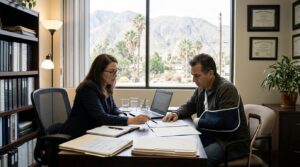
A company-driver accident can involve more parties and insurance policies than an ordinary two-car collision. Legal review may be particularly useful when injuries are significant, the company disputes responsibility, the driver’s employment status is unclear, or multiple insurance policies may apply.
A lawyer can review the accident evidence and help determine which parties and policies may need to be investigated. This can include reviewing police reports, photographs, witness statements, medical records, vehicle information, and communications with insurers.
Frequently Asked Questions
Is a company automatically responsible when its driver causes an accident?
No. Employer responsibility can depend on the driver’s relationship with the company and whether the driver was acting within the scope of employment or agency when the accident occurred.
What if the driver was making a delivery?
The delivery assignment may be relevant to determining whether the driver was acting within the scope of employment. Preserve information about the company, vehicle, delivery, and circumstances of the crash.
What if the driver was an independent contractor?
The legal analysis may be different. The actual relationship between the driver and company may need to be examined rather than relying only on the label used by the business.
Can I file a claim against the company and driver?
Potentially, depending on the facts and applicable law. The driver and company may have different legal relationships to the accident, so responsibility should be evaluated based on the evidence.
What if I cannot identify the company?
Provide law enforcement and your insurer with the vehicle description, license plate, company markings, driver description, photographs, and any witness information you have. These details may help identify the business.
Conclusion
A collision involving a company driver in San Bernardino can raise questions that do not arise in every ordinary car accident. The driver may have been working for an employer, using a company vehicle, making a delivery, or operating under a different business arrangement. Those details can affect which parties and insurance policies may need to be considered.
If you are involved in this type of crash, focus first on safety and medical care. Then preserve photographs, witness information, vehicle details, company identification, police documentation, and insurance records. Do not assume that the driver or company is automatically responsible, but do not overlook the possibility that the driver’s work relationship could be important to the claim.
Careful evidence collection can help clarify who was involved, what the driver was doing, how the collision occurred, and which insurance coverage may apply. Those questions can become especially important when injuries or substantial property damage are involved.