Being hit by an uninsured driver in San Bernardino can create stress, confusion, and financial pressure. You may still have options through your own insurance, the other driver, or a legal claim. The right steps after the crash can help protect your health, evidence, and ability to seek damages.
California drivers must carry proof of financial responsibility when operating a vehicle, and the DMV can suspend a vehicle registration if proof of insurance is not provided. Still, some drivers remain uninsured or underinsured. When that happens, victims often have to rely on uninsured motorist coverage, collision coverage, medical documentation, and careful claim handling.
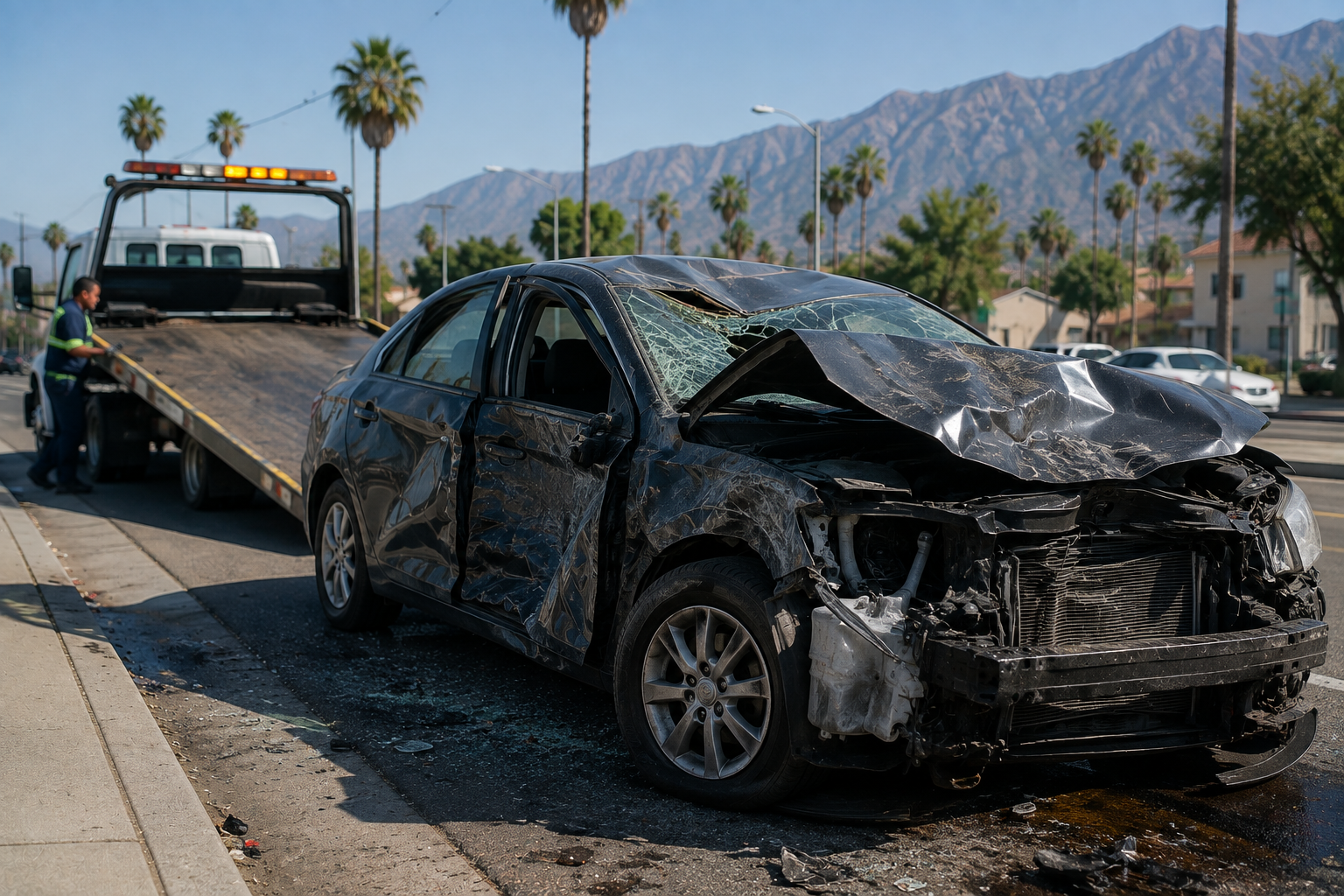
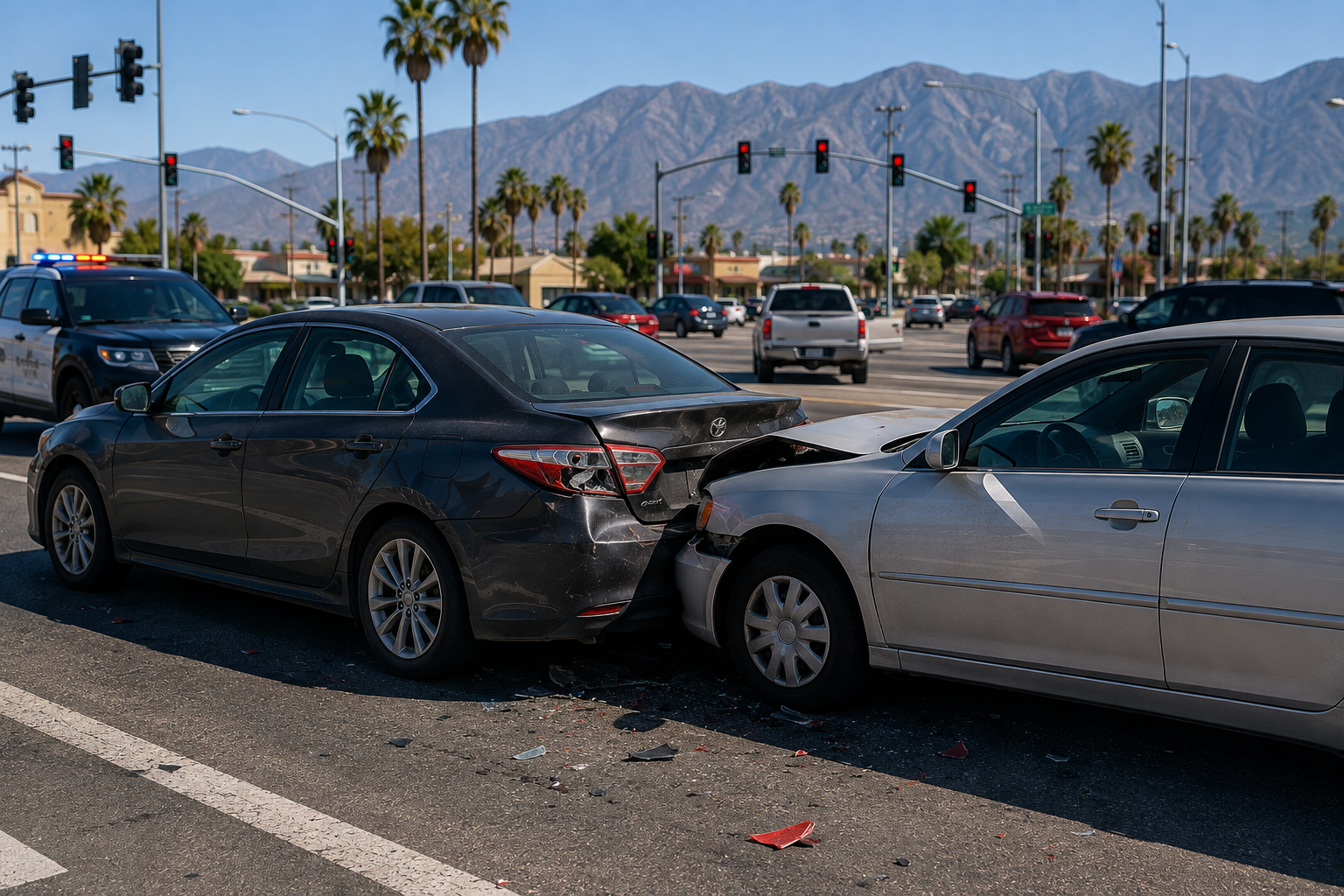
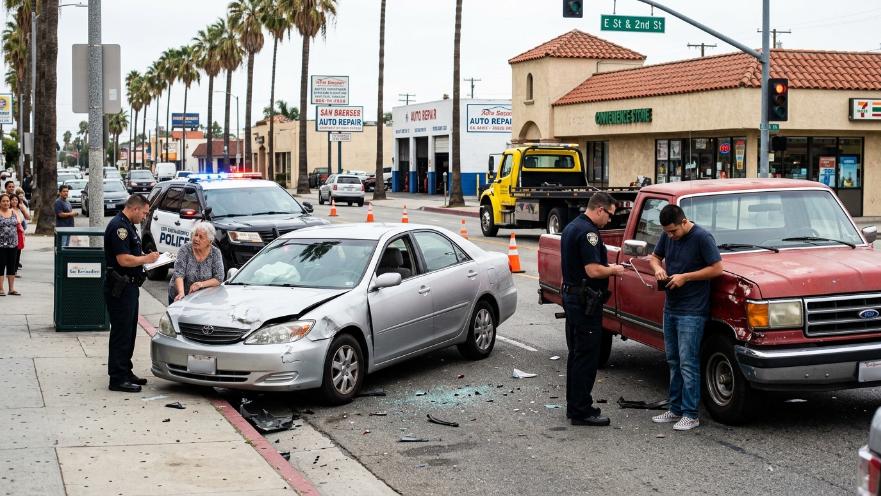
Suggested Featured Image: Car accident involving uninsured driver in San Bernardino with damaged vehicles on city street
What Does It Mean When a Driver Is Uninsured?
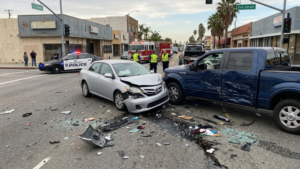 An uninsured driver is someone who does not have valid auto insurance at the time of the crash. This may include a driver whose policy expired, was canceled, or never existed. It may also include a hit-and-run driver who cannot be identified, depending on the terms of your insurance policy.
California law requires drivers to show evidence of financial responsibility when requested by law enforcement after certain crashes. You can review the insurance requirements through the California DMV.
In San Bernardino, uninsured driver crashes can happen on busy roads, intersections, freeway ramps, and residential streets. A person may be dealing with vehicle repairs, medical appointments, lost work time, and insurance questions all at once.
What Should You Do Right After the Crash?
The first steps after a crash can affect both safety and the strength of a future claim. Stay at the scene, check for injuries, and call 911 when medical help or law enforcement is needed. A police report can help document what happened, especially if the other driver has no insurance.
1. Call Law Enforcement
Contact the San Bernardino Police Department or the California Highway Patrol, depending on where the crash happened. If the collision happened on a freeway or state route, CHP may respond. You can visit the California Highway Patrol for general roadway safety and reporting information.
2. Gather Driver and Vehicle Information
Ask for the other driver’s name, license, registration, phone number, and insurance information. If they admit they do not have insurance, avoid arguing at the scene. Write down what they say and preserve any documents or photos.
3. Take Photos and Videos
Photograph the vehicles, license plates, road conditions, traffic lights, skid marks, debris, visible injuries, and nearby businesses or cameras. Photos can help support your insurance claim if the uninsured driver later disputes fault.
Inner Image Placement 1: Place an image after this section showing damaged vehicles after an uninsured driver crash in San Bernardino.
Do You Need to File a DMV Report?
California requires an SR-1 accident report to be sent to the DMV within 10 days if anyone was injured or killed, or if property damage was more than $1,000. This applies even when the crash happened in San Bernardino and even when law enforcement already made a report. The DMV explains the SR-1 requirement on its traffic accident reporting page.
This report is separate from an insurance claim. Missing this step may create licensing or administrative problems. Keep a copy of the report and any confirmation for your records.
Can Your Own Insurance Help?
Your own auto insurance may be the main source of coverage after an uninsured driver crash. The available options depend on your policy. Review your declarations page, policy language, and endorsements. You can also contact your insurer and ask what coverages apply.
Uninsured Motorist Coverage
Uninsured motorist coverage may help when the at-fault driver has no insurance. This coverage is commonly used for injury claims. It may address medical bills, lost income, and other covered losses, depending on the policy.
The California Department of Insurance provides consumer information about auto insurance and coverage options. You can review its resources through the California Department of Insurance.
Underinsured Motorist Coverage
Underinsured motorist coverage may apply when the other driver has insurance, but their policy limits are too low to cover the full value of the claim. This is different from an uninsured driver claim, but the issues often overlap.
Collision Coverage
Collision coverage may help pay for vehicle repairs, even when the uninsured driver cannot pay. A deductible may apply. Your insurer may later seek reimbursement from the at-fault driver, but that process can take time.
Medical Payments Coverage
Medical payments coverage, often called MedPay, may help with medical bills after a crash. It may apply regardless of fault, depending on the policy terms.
What If You Do Not Have Uninsured Motorist Coverage?
If you do not have uninsured motorist coverage, your options may be more limited. You may still have collision coverage for vehicle repairs, health insurance for medical treatment, or a direct claim against the at-fault driver.
A direct claim against an uninsured driver can be difficult if the person has limited income or assets. Still, it may be worth reviewing the facts before deciding what path to take. In some cases, another party may share responsibility, such as an employer, vehicle owner, or another negligent driver.
Can You Sue an Uninsured Driver?
You may be able to sue an uninsured driver if they caused the crash. However, filing a lawsuit does not always mean payment is easy. Some uninsured drivers lack the resources to pay a judgment. That is why insurance coverage review is often one of the first steps.
For smaller property damage disputes, California small claims court may be an option. The California Courts self-help guide explains that individuals can generally sue for up to $12,500 in small claims court. You can review more information through the California Courts Self-Help Guide.
Why Fault Still Matters
Even if the other driver is uninsured, fault still matters. Your insurer may investigate who caused the collision before approving payment under your policy. The uninsured driver may also deny responsibility.
Evidence can make a major difference. Useful evidence may include photos, dashcam footage, witness statements, police reports, repair estimates, medical records, and nearby surveillance footage.
For more related guidance, see our blog on how to prove fault in a San Bernardino auto accident case.
Common Problems in Uninsured Driver Claims
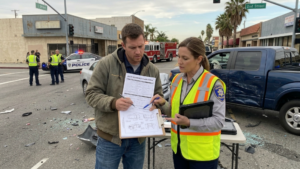 Uninsured driver claims can become complicated. Even though you are dealing with your own insurer, the company may still investigate the claim carefully. They may question the severity of injuries, the need for treatment, or the value of vehicle repairs.
Delayed Symptoms
Some injuries do not feel serious right away. Neck pain, back pain, headaches, and soft tissue injuries may develop later. Medical documentation can help connect those symptoms to the collision.
Low Repair Estimates
Vehicle repair estimates may not reflect hidden damage. Ask the repair shop to document any additional damage discovered during inspection.
Disputed Fault
The other driver may claim you caused the crash. Your own insurer may review the scene, statements, and physical evidence before making a decision.
Inner Image Placement 2: Place an image after this section showing a driver reviewing insurance documents after an accident in San Bernardino.
What Damages May Be Included?
Damages after an uninsured driver accident can depend on the injuries, property damage, insurance coverage, and proof available. Common losses may include emergency treatment, follow-up care, physical therapy, medication, lost income, reduced earning ability, vehicle repair, rental car costs, towing, and pain-related damages.
Every case is different. A minor crash with no injury may involve only property damage. A serious collision may involve long-term medical needs and extended time away from work.
Should You Speak With the Insurance Adjuster?
You may need to notify your insurer after the crash. However, be careful with recorded statements. Stick to basic facts and avoid guessing. Do not minimize injuries before medical evaluation. Do not accept a settlement before understanding the full extent of your damages.
For broader information on steps after a crash, you can read our guide on what to do immediately after an auto accident in San Bernardino.
How a San Bernardino Auto Accident Lawyer Can Help
A lawyer can review the crash facts, insurance policy, police report, medical records, and claim communications. Legal guidance may be especially helpful if the insurer disputes fault, delays payment, undervalues damages, or requests a recorded statement.
A lawyer can also check whether other coverage sources exist. For example, the uninsured driver may have been driving someone else’s car, working at the time of the crash, or involved in a multi-vehicle collision. These details can affect the claim.
What If the Crash Was a Hit-and-Run?
A hit-and-run crash may be treated differently from a known uninsured driver claim. If the driver leaves and cannot be identified, your policy may have specific reporting and evidence requirements. Report the crash quickly, preserve photos, and ask witnesses for contact information.
For more details, read our related post on hit-and-run accident law in San Bernardino.
How Long Do You Have to Take Action?
Deadlines can depend on the type of claim. Insurance policies often have notice requirements. California civil claims also have legal filing deadlines. Delays can create problems with evidence, witness memory, medical documentation, and claim review.
For related timing information, see our blog on how long you have to file a car accident claim in California.
Frequently Asked Questions
Can I still make a claim if the other driver had no insurance?
Yes. You may have options through your own uninsured motorist coverage, collision coverage, MedPay, health insurance, or a direct claim against the driver.
Should I call the police after an uninsured driver crash?
Yes, a police report can help document the crash. This is especially important when the other driver has no insurance, disputes fault, or leaves the scene.
What if I was partly at fault?
California uses comparative fault principles. Your potential damages may be reduced by your share of responsibility. Evidence is important when fault is disputed.
Can I use my own insurance without raising my rates?
Rate questions depend on the insurer, policy, claim history, and crash facts. Ask your insurer how a claim may affect your policy before making assumptions.
Conclusion
An uninsured driver accident in San Bernardino can feel overwhelming, but there are still steps you can take to move forward. Reporting the crash, seeking medical attention, documenting the scene, and reviewing your insurance coverage can all play a role in how your situation develops.
Understanding how uninsured motorist coverage works, what evidence may be needed, and how claims are handled can help you make more informed decisions after an accident. Each situation may be different, so taking time to review your options and gather accurate information can make a meaningful difference in how your claim is addressed.