After a car accident in San Bernardino, it can be frustrating when the other driver gives a false story. They may deny fault, change details, or blame you for the crash. When this happens, evidence becomes very important. Photos, police reports, witness statements, medical records, and repair documents can help show what really happened.
A driver may lie after an accident for many reasons. They may fear higher insurance rates, a ticket, license problems, or financial responsibility. Some drivers may panic and give an inaccurate statement at the scene. Others may intentionally change their story later when speaking with an insurance adjuster. No matter the reason, false statements can affect your claim.
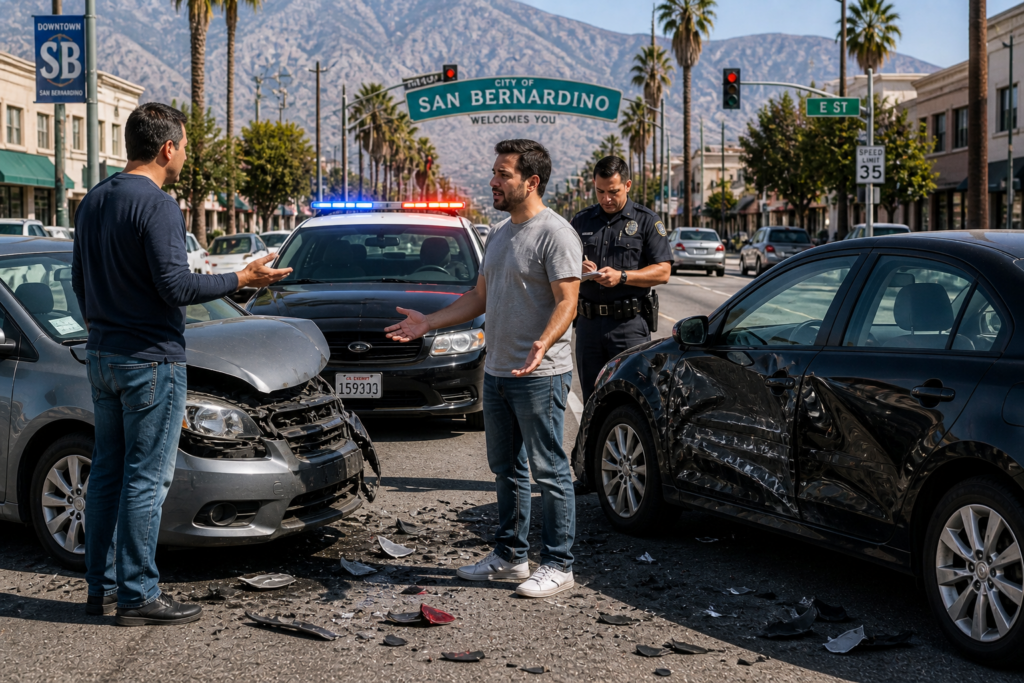
Suggested Featured Image: Car accident scene in San Bernardino with drivers speaking and police present
Why Drivers May Lie After a Crash
Some drivers lie because they do not want to be blamed. They may say they had a green light, deny speeding, or claim you suddenly stopped. Others may say they were not distracted, even if they were using a phone. In some cases, a driver may deny making an unsafe lane change or running a stop sign.
False statements can create delays. Insurance companies may need more time to investigate. They may compare both drivers’ statements, review vehicle damage, study the police report, and look for outside evidence. This is why clear documentation matters from the beginning.
What Should You Do at the Scene?
Your actions at the accident scene can affect the strength of your claim. Stay calm and avoid arguing with the other driver. Do not admit fault. Do not guess about speed, distance, or injuries. Focus on safety and documentation.
Call Law Enforcement
Call 911 if anyone is injured, traffic is blocked, or the other driver refuses to cooperate. A police report can help record the crash details. In San Bernardino, an officer may document driver statements, vehicle positions, visible damage, road conditions, and possible violations.
You can contact the California Highway Patrol if the crash happened on a freeway or state route. For city streets, local law enforcement may respond.
Take Photos and Videos
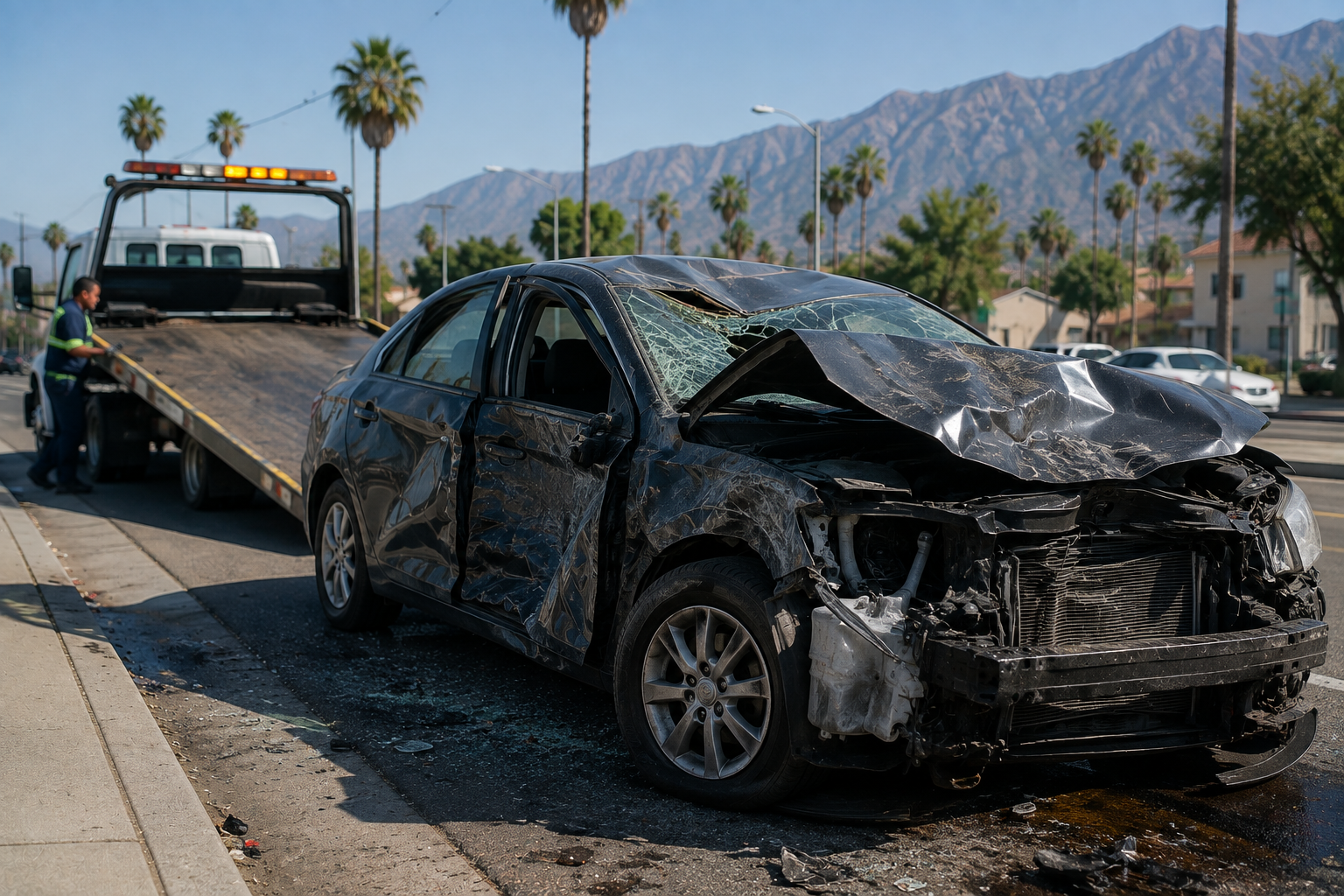
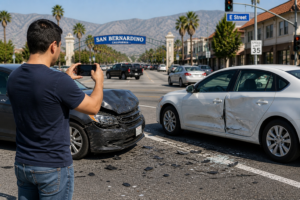 Take clear photos of both vehicles before they are moved, if it is safe. Capture the damage, license plates, debris, skid marks, traffic signals, signs, lane markings, weather, and surrounding businesses. Video can also help show the full scene.
Get Witness Information
Witnesses can help when another driver lies. Ask for names, phone numbers, and short statements if anyone saw the collision. A neutral witness may confirm who had the right of way, which vehicle changed lanes, or whether a driver ran a red light.
How Evidence Can Challenge a False Statement
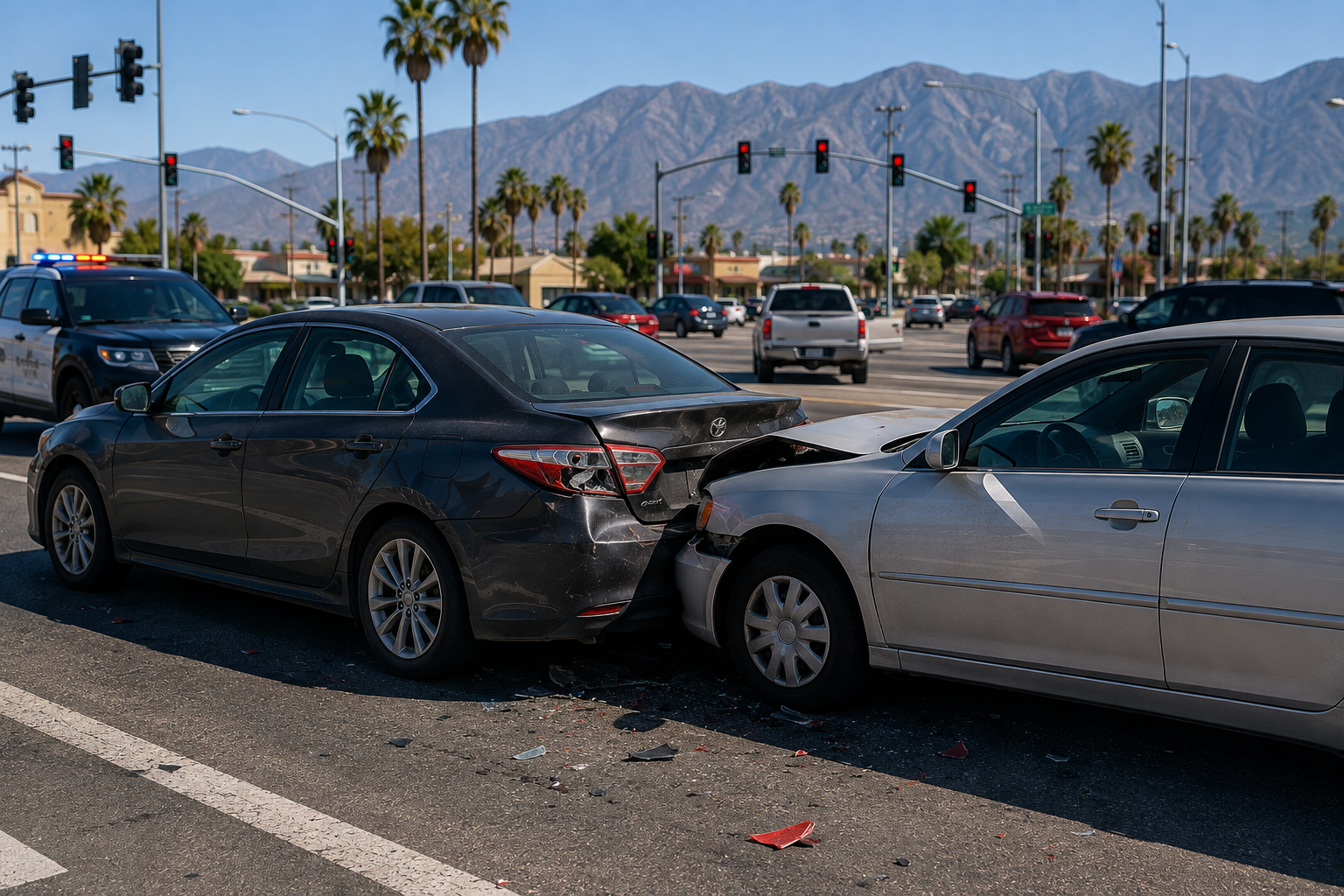
Evidence can show whether the other driver’s version is accurate. For example, vehicle damage may reveal the angle of impact. Skid marks may show braking. Debris location may show where the collision happened. Photos may show traffic lights, stop signs, or lane markings.
Medical records may also help connect injuries to the crash. If the other driver claims the crash was minor, treatment records can show the effect of the collision. Repair estimates can also show the force and direction of impact.
Why the Police Report Matters
A police report is not always the final word on fault, but it can be useful. It may include driver statements, officer observations, witness names, diagrams, and citations. Insurance companies often review the report when deciding liability.
If you believe the report contains an error, you may be able to ask how to submit additional information. Keep your explanation factual. Avoid emotional language. Provide photos, witness details, or documents that support your position.
For broader crash reporting information, visit the California DMV accident reporting page.
What If the Other Driver Lies to Insurance?
Insurance adjusters often compare statements from both drivers. If the stories conflict, the insurer may review photos, repair estimates, police reports, medical records, and witness statements. The company may also inspect the vehicles.
Keep communication professional. Do not exaggerate. Give accurate facts and avoid guessing. If the other driver’s claim is false, focus on the evidence that disproves it.
Recorded Statements
An insurance company may ask for a recorded statement. Be careful. A recorded statement can be used later in the claim. Answer only what you know. Do not estimate details you are unsure about. Do not downplay pain or injuries before medical evaluation.
Social Media Posts
Avoid posting about the crash online. Insurance companies may review public social media accounts. A simple post, photo, or comment can be taken out of context.
Common Lies Drivers Tell After Accidents
Some false claims appear often in San Bernardino auto accident disputes. The other driver may say you caused the crash, even when the damage pattern suggests otherwise. They may claim they stopped at a red light or stop sign. They may say you were speeding, distracted, or failed to yield.
Other drivers may deny being on the phone. They may claim weather or road conditions caused the crash. Some may say their vehicle had mechanical issues. Each claim should be compared against physical evidence and available records.
How Comparative Fault Can Affect the Claim
California follows comparative fault principles. This means more than one person can share responsibility for a crash. If you are found partly responsible, your damages may be reduced by your percentage of fault.
Because of this, a false statement from the other driver can matter. If they convince the insurer that you were partly at fault, the claim value may be reduced. Evidence can help challenge inaccurate blame.
For related guidance, read our blog on how to prove fault in a San Bernardino auto accident case.
What Documents Should You Keep?
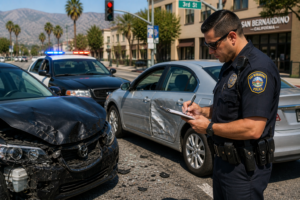 Keep every document connected to the crash. This includes the police report, insurance letters, claim numbers, repair estimates, rental car receipts, towing invoices, medical records, prescriptions, and appointment notes. Save text messages, emails, and voicemails from the other driver or insurance company.
Organized records can make it easier to respond when the other driver changes their story. A timeline can also help. Write down what happened before, during, and after the crash while your memory is fresh.
Can Camera Footage Help?
Yes. Camera footage can be very useful. Nearby businesses, homes, traffic cameras, dashcams, and rideshare cameras may capture the crash or the moments before impact. Footage may show speed, lane position, signal use, or who had the right of way.
Act quickly because footage may be deleted within days. Write down the names and locations of nearby businesses. Ask whether they have cameras facing the street. A lawyer may also help send preservation letters when needed.
What If the Other Driver Has Passengers Who Support the Lie?
Passengers may support the other driver’s version, but that does not automatically make their statement stronger. Insurance companies may consider whether a witness is neutral. A passenger may have a personal relationship with the driver.
Independent witnesses often carry more weight. Physical evidence can also challenge a biased statement. Photos, debris location, vehicle damage, and police observations may be stronger than a passenger’s unsupported claim.
Can You Be Accused of Lying Too?
Yes. The other driver may accuse you of lying, especially when fault is disputed. This is another reason to stay consistent. Tell the truth, avoid guessing, and correct mistakes quickly. Do not fill gaps in memory with assumptions.
If you are unsure about something, say so. A careful statement is better than an inaccurate one. Your credibility matters throughout the claim.
How Medical Care Supports Your Claim
Medical care can help document injuries and timing. Some injuries develop hours or days after a collision. A doctor’s evaluation can connect symptoms to the crash and create a treatment record.
If the other driver says the crash was too minor to cause injury, medical records can help address that claim. Follow treatment instructions and keep copies of bills, imaging results, prescriptions, and referrals.
You may also read our related article on the importance of seeking medical care after an auto accident.
Should You Handle the Claim Alone?
Some simple property damage claims may be handled directly with insurance. However, when the other driver lies, the claim can become more difficult. Disputed fault, injuries, missing evidence, and conflicting statements can all create challenges.
A San Bernardino auto accident lawyer can review the evidence, communicate with insurers, organize documentation, and evaluate possible claim issues. Legal review may be helpful when the insurer delays, denies, or undervalues the claim.
What If the Other Driver Lied on the Police Report?
If the other driver gave false information to the officer, stay focused on evidence. Review the police report when available. If there are factual errors, ask the agency about its correction or supplemental statement process. Provide supporting documents where possible.
Do not confront the other driver. Let the evidence speak. Aggressive messages or arguments can hurt your position.
How Long Should You Wait Before Taking Action?
Do not wait too long. Evidence can disappear, vehicles can be repaired, witnesses can become harder to contact, and camera footage can be erased. Insurance deadlines may also apply. California also has legal filing deadlines for injury claims.
For more information about claim timing, read our blog on how long you have to file a car accident claim in California.
Frequently Asked Questions
What should I do if the other driver lies to police?
Stay calm and provide accurate facts. Share photos, witness information, and any other evidence with the officer. Request the report number and get a copy when available.
Can insurance deny my claim because the other driver lied?
Insurance may delay or dispute a claim when stories conflict. Strong evidence can help challenge false statements and support your version of events.
Are witnesses important?
Yes. Neutral witnesses can help confirm what happened. Ask for contact information before leaving the scene, if it is safe to do so.
Should I speak with the other driver after the crash?
Limit communication. Exchange required information, but avoid arguments or detailed fault discussions. Let police, insurers, and evidence handle the dispute.
Conclusion
When the other driver lies after an accident in San Bernardino, the situation can become stressful and confusing. Still, accurate documentation can help protect your position. Photos, witness statements, police reports, medical records, and repair documents can all help challenge false claims.
The most important step is to stay factual. Avoid arguments, preserve evidence, seek medical care when needed, and keep all records organized. A clear timeline and strong documentation can make a meaningful difference when fault is disputed.