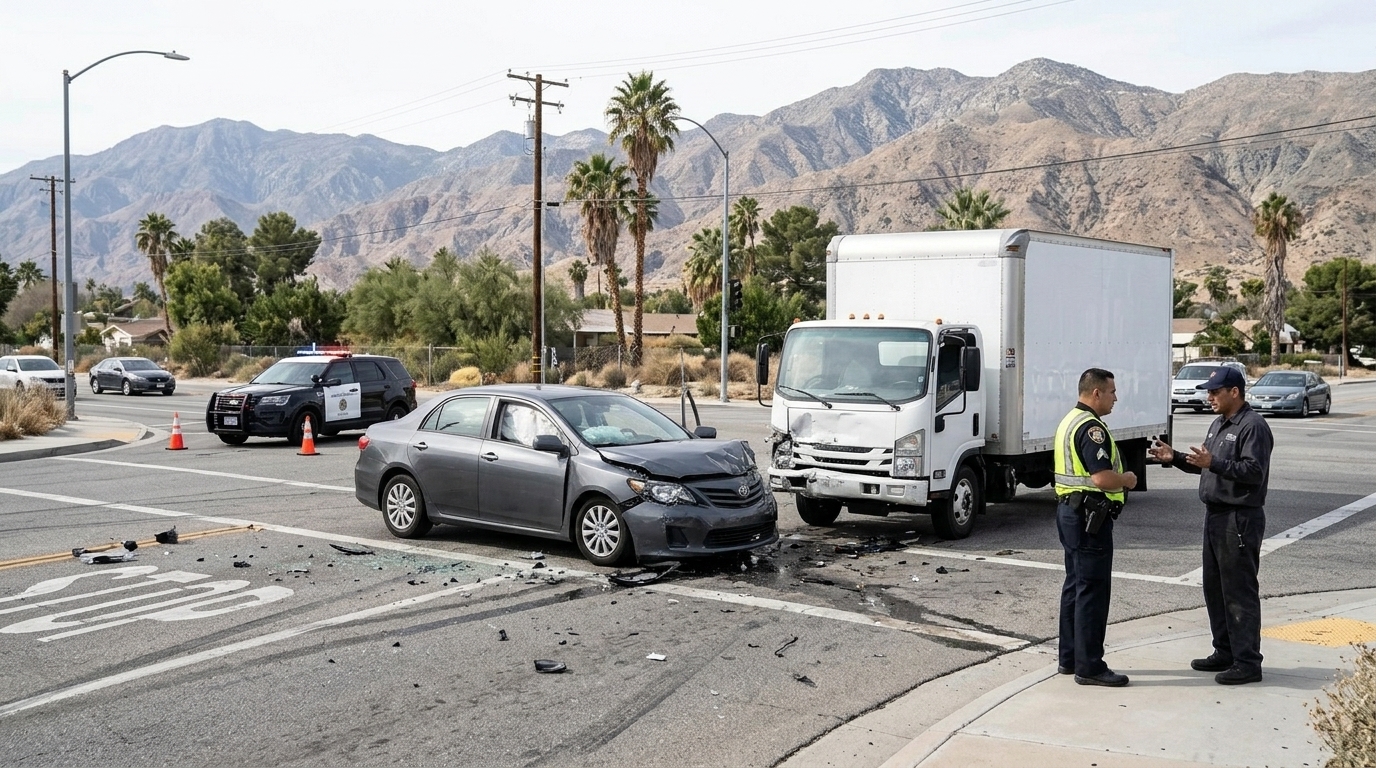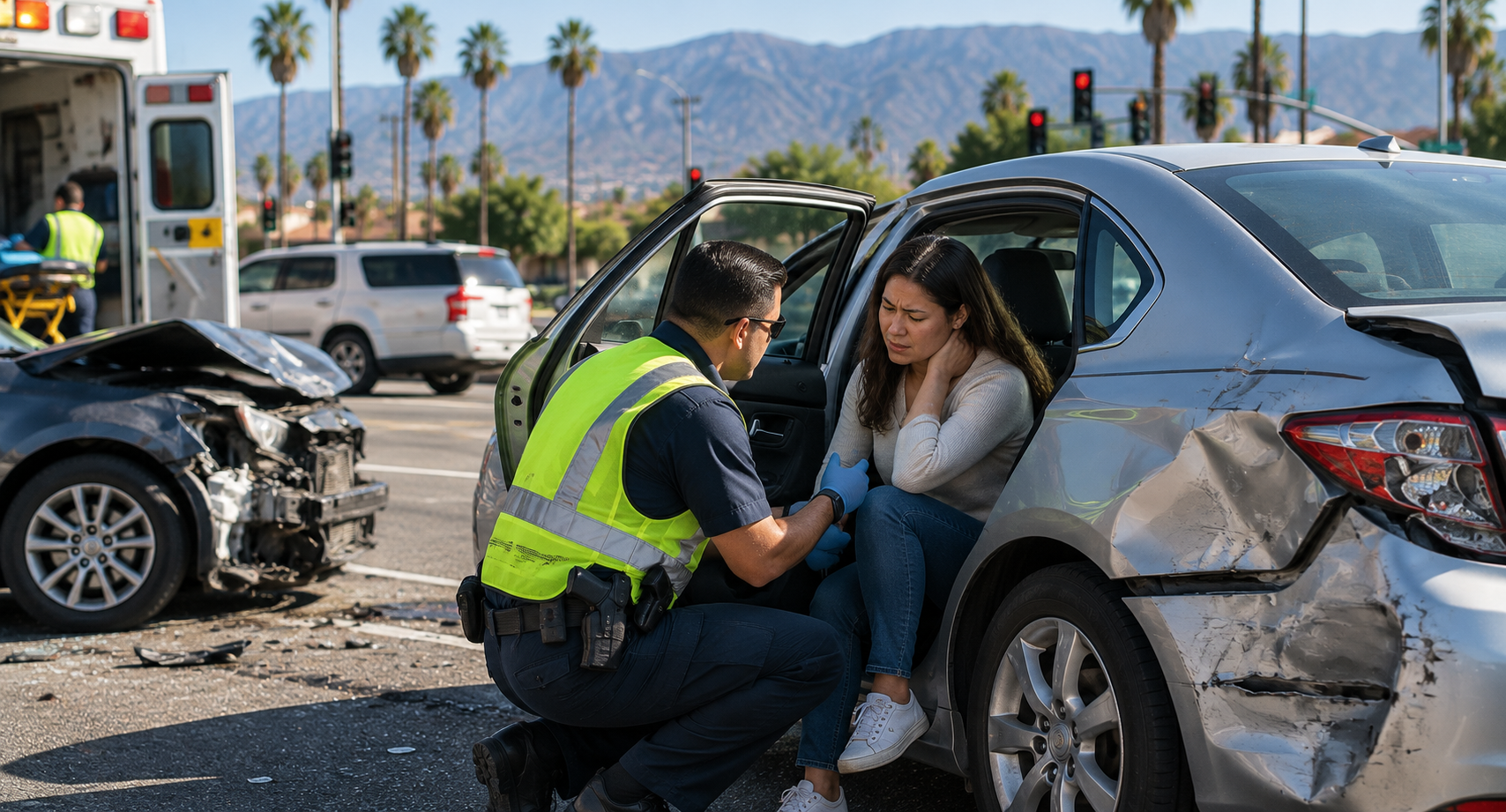
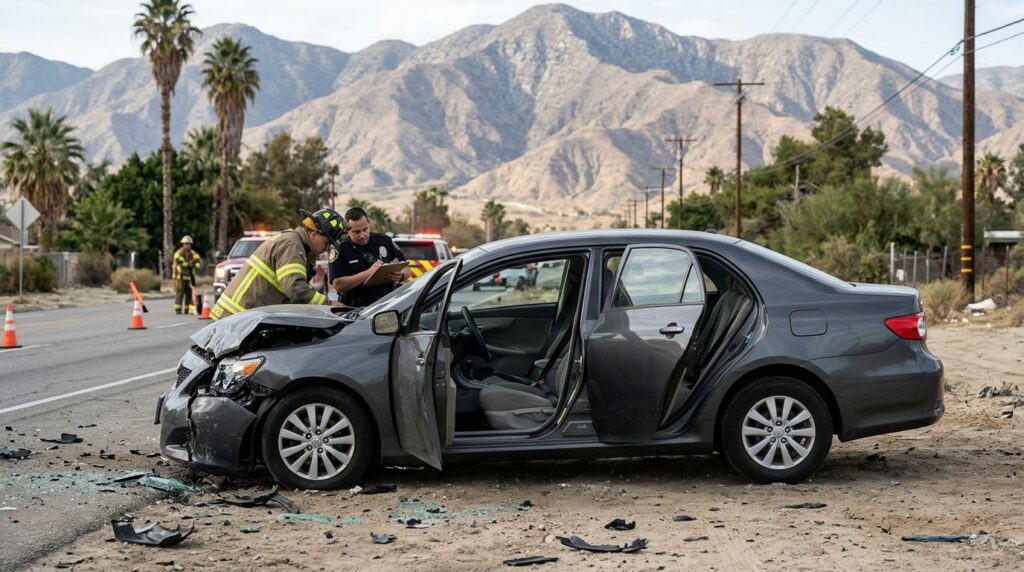
Airbags are designed to provide supplemental protection during certain types of crashes. When a serious collision occurs and an expected airbag does not deploy, an injured driver or passenger may have important questions. Was the crash severe enough for the airbag to activate? Was there a problem with the vehicle’s safety system? Could an earlier repair, recall, or replacement part be involved? What evidence should be preserved?
For drivers in San Bernardino, an airbag that does not deploy can become an important part of understanding what happened during a crash. However, an airbag failing to deploy does not automatically mean that the vehicle was defective. Airbag systems are designed to respond to specific crash characteristics, and they are not intended to deploy in every collision.
Understanding the circumstances surrounding the crash, preserving the vehicle, checking for recalls, and documenting injuries can help determine what happened and what issues may need further investigation.
What Are Airbags Designed to Do?
 Airbags are supplemental safety restraints designed to work together with seat belts. According to the National Highway Traffic Safety Administration, frontal airbags are generally designed to deploy in moderate to severe frontal or near-frontal crashes. Side airbags have different deployment strategies depending on the vehicle and the type of impact.
This means an airbag does not necessarily deploy simply because a collision caused visible damage. The vehicle’s sensors and airbag control system evaluate factors such as impact direction, crash severity, sensor information, and the vehicle’s particular safety-system design.
Airbags are also considered supplemental protection. Seat belts remain an important part of the vehicle’s restraint system and are designed to work with airbags rather than replace them.
Why Might an Airbag Not Deploy?
There are several possible explanations for an airbag not deploying. The reason cannot usually be determined simply by looking at the damaged vehicle. A qualified inspection may be necessary.
The Crash May Not Have Met the Deployment Conditions
NHTSA explains that airbags are not intended to deploy in every crash. A collision may produce substantial vehicle damage without meeting the specific conditions necessary to activate a particular airbag.
For example, the direction of impact can affect deployment. A frontal airbag system may respond differently to a side impact, rear impact, rollover, or another type of collision.
The Impact May Have Occurred Outside the Relevant Sensor Area
Modern vehicles use sensors positioned in particular areas of the vehicle. The location and characteristics of the impact can affect whether the airbag control system receives the information necessary to activate a restraint.
A Previous Crash May Have Affected the System
Used vehicles can present additional questions. If a vehicle was previously involved in a collision, its airbags or related components may have been replaced. NHTSA warns that improper or counterfeit replacement airbag components can create serious safety risks.
A Recall or Safety Defect May Be Involved
A vehicle may have an unrepaired safety recall affecting an airbag, sensor, inflator, or another component. NHTSA provides a VIN recall lookup tool that allows vehicle owners to check for unrepaired recalls.
Does an Airbag Have to Deploy in Every Serious Accident?
No. Airbags are not designed to deploy in every accident. NHTSA explains that deployment depends on factors including the characteristics of the crash, impact direction, vehicle design, and sensor locations.
This distinction is important when evaluating a potential claim. A vehicle having significant exterior damage does not automatically prove that the airbag should have deployed. Likewise, an airbag that did not deploy does not automatically prove that the vehicle was defective.
The circumstances surrounding the crash must be examined carefully.
What If You Were Injured Because the Airbag Did Not Deploy?
If you were injured in a crash where an expected airbag did not deploy, medical care should be a priority. Injuries can involve the head, neck, chest, back, or other areas of the body. The type and severity of the injuries will depend on the circumstances of the collision.
Medical documentation can also become important when determining whether the crash caused the claimed injuries. Keep records of emergency treatment, follow-up appointments, diagnostic imaging, prescriptions, physical therapy, and other accident-related care.
Our existing article on the importance of seeking medical care after an auto accident provides additional information about documenting injuries after a crash.
Could a Defective Airbag Create a Separate Legal Issue?
Potentially. An airbag-related problem can raise different questions from a standard car accident claim. If an investigation indicates that a defective component, improper repair, recalled part, or other vehicle safety issue contributed to an injury, the circumstances may require additional review.
Possible issues can include whether the vehicle had an outstanding recall, whether a previous repair involved the restraint system, whether replacement parts were genuine, and whether the airbag system was properly maintained or repaired.
NHTSA explains that vehicle safety recalls may result when a manufacturer or NHTSA determines that a vehicle or equipment creates an unreasonable safety risk or fails to meet applicable safety standards. Recall remedies may include repairs, replacements, refunds, or other manufacturer action.
What Should You Do With the Vehicle After the Crash?
Preserving the vehicle can be particularly important when an airbag or other safety component may be relevant to the injuries. Avoid making unnecessary repairs or allowing components to be discarded before the vehicle has been properly documented and inspected when a defect is suspected.
Photograph the vehicle’s exterior and interior. Capture the steering wheel, dashboard, seats, seat belts, deployed or undeployed airbags, warning lights, and visible damage. Do not alter the airbag system yourself.
If the vehicle is being stored at a repair facility or towing yard, keep documentation showing where it is located and who has possession of it.
Why the Vehicle Should Be Inspected Before Repairs
A professional inspection may help identify damage that is not immediately visible. When an airbag did not deploy, an inspection may also help determine whether there are diagnostic trouble codes, damaged sensors, wiring problems, or other issues involving the restraint system.
A qualified technician can examine the vehicle according to the manufacturer’s procedures. If a potential defect is suspected, preserving the vehicle before significant repairs can help prevent the loss of evidence.
What If the Vehicle Had an Airbag Recall?
Check the vehicle identification number, or VIN, for open recalls. NHTSA’s recall database can show whether a particular vehicle has an unrepaired safety recall.
California also provides information about vehicle safety recalls. The California DMV has highlighted the continuing importance of checking vehicles for open recalls, including airbag-related recalls.
The California DMV recall information page provides additional information about vehicle safety recalls and airbag-related notices.
If you discover an open recall after a crash, preserve the recall information and any manufacturer correspondence. The existence of a recall does not by itself establish that the recall caused the crash or injury, but it may be relevant to an investigation depending on the facts.
What About a Previous Airbag Replacement?
Previous repairs can become important when investigating an airbag non-deployment. A used vehicle may have been involved in an earlier collision that resulted in airbag deployment.
NHTSA has warned consumers about dangerous replacement airbag inflators and counterfeit or improperly sourced components. The agency recommends that owners be aware of their vehicle’s history and ensure that replacement airbags are genuine and properly installed.
If you recently purchased a used vehicle, review available vehicle-history information and maintenance records. Ask whether the vehicle has previously been involved in a collision and whether airbags were replaced.
What Evidence Should You Preserve?
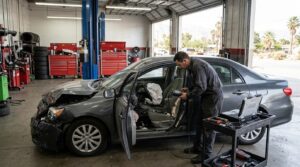 Evidence can help establish what happened before, during, and after the collision. Important evidence may include photographs of the vehicle, dashcam footage, police reports, medical records, repair estimates, vehicle-history records, recall notices, maintenance records, and witness information.
Keep the original photographs and videos whenever possible. If you have dashcam footage, preserve the original file and create a backup. Our article on dashcam footage and San Bernardino car accident claims provides additional information about preserving video evidence.
Can Vehicle Damage Help Explain the Airbag Issue?
Vehicle damage can provide useful information about the direction and location of the impact. However, photographs alone may not establish why an airbag did or did not deploy.
For example, two vehicles can have significant damage while experiencing very different impact forces and directions. A vehicle struck from the side may have extensive door damage without necessarily triggering a frontal airbag.
This is why photographs should be combined with other evidence, including crash data, diagnostic information, inspection findings, and witness accounts when available.
What If the Other Driver Caused the Crash?
An airbag issue does not eliminate a separate claim against a driver who caused the collision. There can be multiple issues in the same accident.
For example, another driver may have caused the crash by running a red light. If the injured person’s vehicle also had a safety-system problem that allegedly increased the severity of the injuries, the circumstances may need to be examined separately.
Our article on how to prove fault in a San Bernardino auto accident case explains some of the evidence commonly used to evaluate responsibility.
What If You Were a Passenger?
Passengers can also be affected by airbag non-deployment. The passenger airbag system may have different deployment conditions from the driver’s airbag, particularly in vehicles equipped with occupant-sensing technology.
NHTSA explains that some advanced passenger airbag systems can automatically suppress deployment when the vehicle detects certain occupant conditions. This means that the fact that a passenger airbag did not deploy does not automatically establish a defect.
If a passenger was injured, medical documentation and evidence about the seating position, restraint use, impact direction, and vehicle system can become relevant.
For more information, see our article on passenger car accident claims in San Bernardino.
What If the Vehicle Is Declared a Total Loss?
If the vehicle is severely damaged, the insurer may determine that it is a total loss. This can create another evidence issue because the vehicle may be transferred, salvaged, or eventually disposed of.
If an airbag defect or restraint-system problem may be relevant, preserving information about the vehicle before it is repaired or disposed of can be important.
Our related article explains what happens when a car is totaled after an accident in San Bernardino.
Should You Check for Recalls After an Accident?
Yes. Checking the VIN can help identify whether the vehicle has an open safety recall. NHTSA recommends checking recall information because some recently announced recalls may not immediately appear for every vehicle, and recall information can change as manufacturers identify affected VINs.
You can use the official NHTSA recall lookup to search by VIN and review available safety information.
What If the Insurance Company Says the Airbag Was Not Supposed to Deploy?
An insurer may argue that the airbag was not designed to deploy under the particular crash conditions. That may be a legitimate issue to investigate rather than simply accepting or rejecting the statement.
Ask what evidence supports the conclusion. Depending on the circumstances, relevant information could include crash direction, vehicle speed, sensor data, diagnostic information, manufacturer specifications, inspection findings, and the vehicle’s repair history.
The goal should be to determine what actually happened rather than assuming that either the vehicle or another driver was automatically responsible.
When Should You Consider Legal Review?
Legal review may be useful when injuries are significant, the cause of the airbag non-deployment is disputed, the vehicle has a relevant recall, previous repairs are questionable, or multiple parties may be responsible.
A lawyer may review available accident evidence, medical documentation, vehicle records, insurance correspondence, recall information, and inspection findings. More complicated cases may also require qualified automotive or engineering experts.
Frequently Asked Questions
Does an airbag have to deploy when a car is badly damaged?
No. Airbags are not designed to deploy in every collision. Deployment depends on factors such as crash characteristics, impact direction, sensor information, and the vehicle’s safety-system design.
Does an airbag failing to deploy prove a defect?
No. Non-deployment alone does not prove that an airbag system was defective. The vehicle and crash circumstances may need to be inspected.
Should I repair my vehicle immediately?
If a potential airbag or vehicle defect is relevant to an injury claim, preserve photographs and consider whether an inspection should occur before components are removed or discarded.
How can I check whether my vehicle has an airbag recall?
You can search your vehicle’s VIN using the official NHTSA recall database. California also provides recall information through the DMV.
Can I still have a claim against the other driver?
Yes, if another driver’s negligence caused the accident, that issue can be evaluated separately from any potential vehicle safety issue.
Conclusion
An airbag that does not deploy during a San Bernardino car accident can raise important questions, but non-deployment alone does not establish that a vehicle was defective. Airbag systems are designed to deploy under particular crash conditions, and different impacts can produce different deployment responses.
If an expected airbag did not deploy, preserve the vehicle and related evidence, seek appropriate medical attention, photograph the vehicle, check for recalls, and keep records of previous repairs when available. Avoid modifying or discarding potentially relevant safety-system components before they can be properly evaluated.
When injuries are serious or there are questions about a recall, previous repair, defective component, or another driver’s responsibility, a careful review of the available evidence can help determine what issues may be relevant to the accident claim.